Pepperl+Fuchs / Passive Output Diagnostics
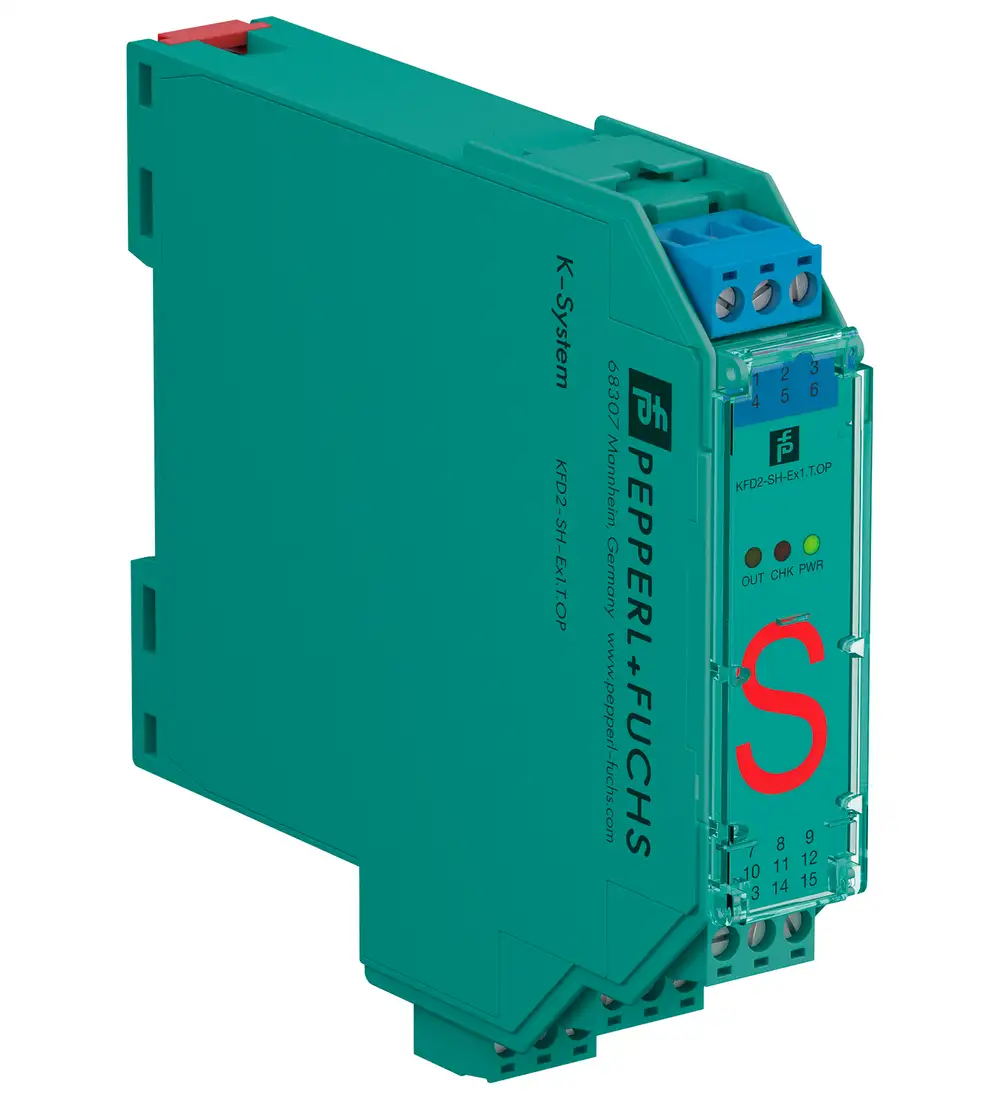
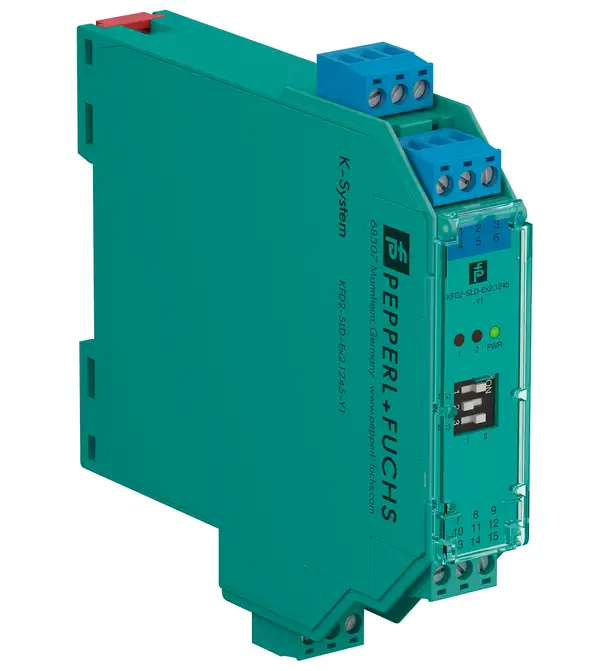
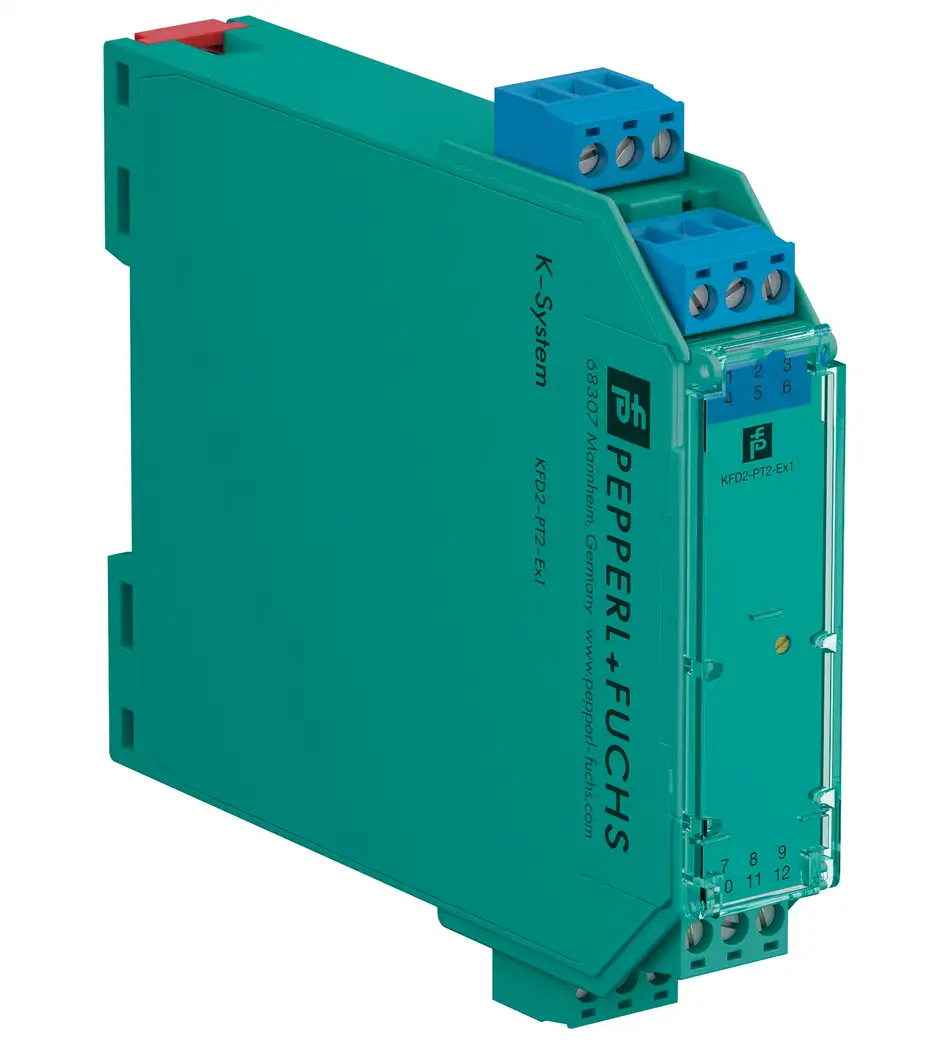
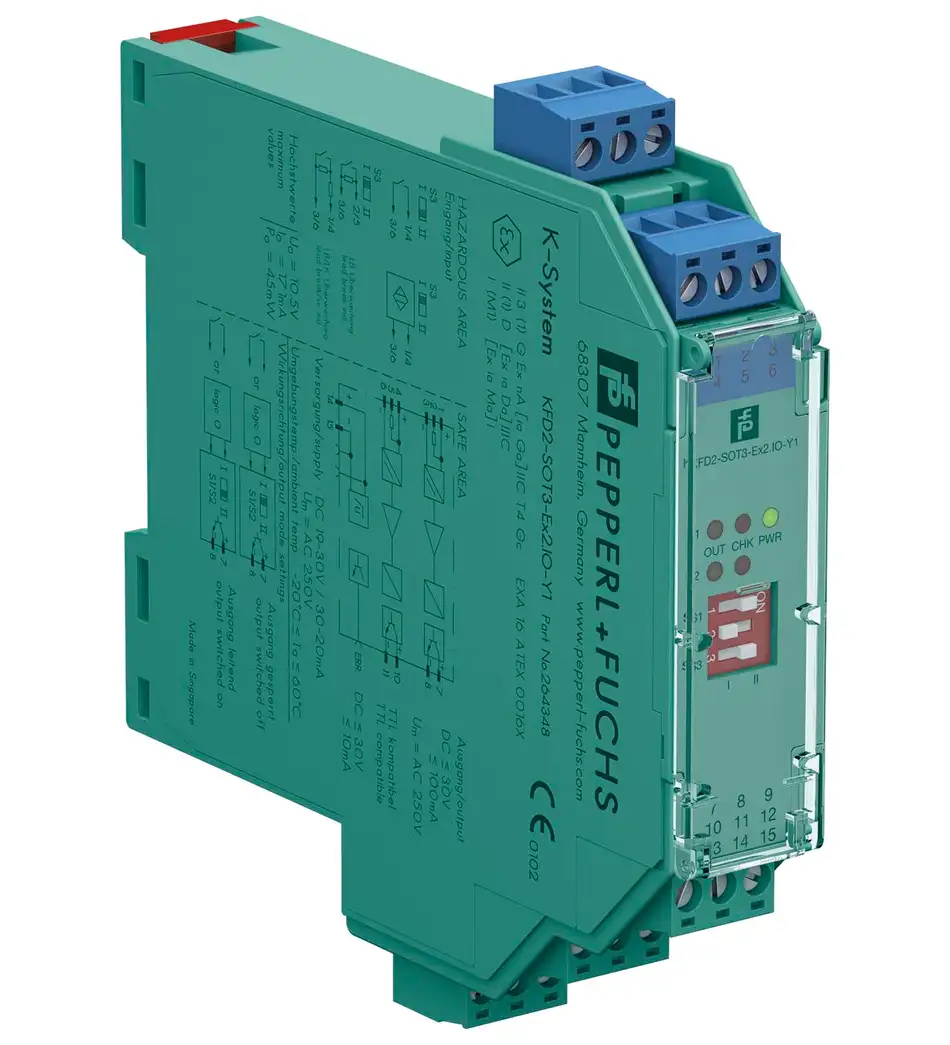
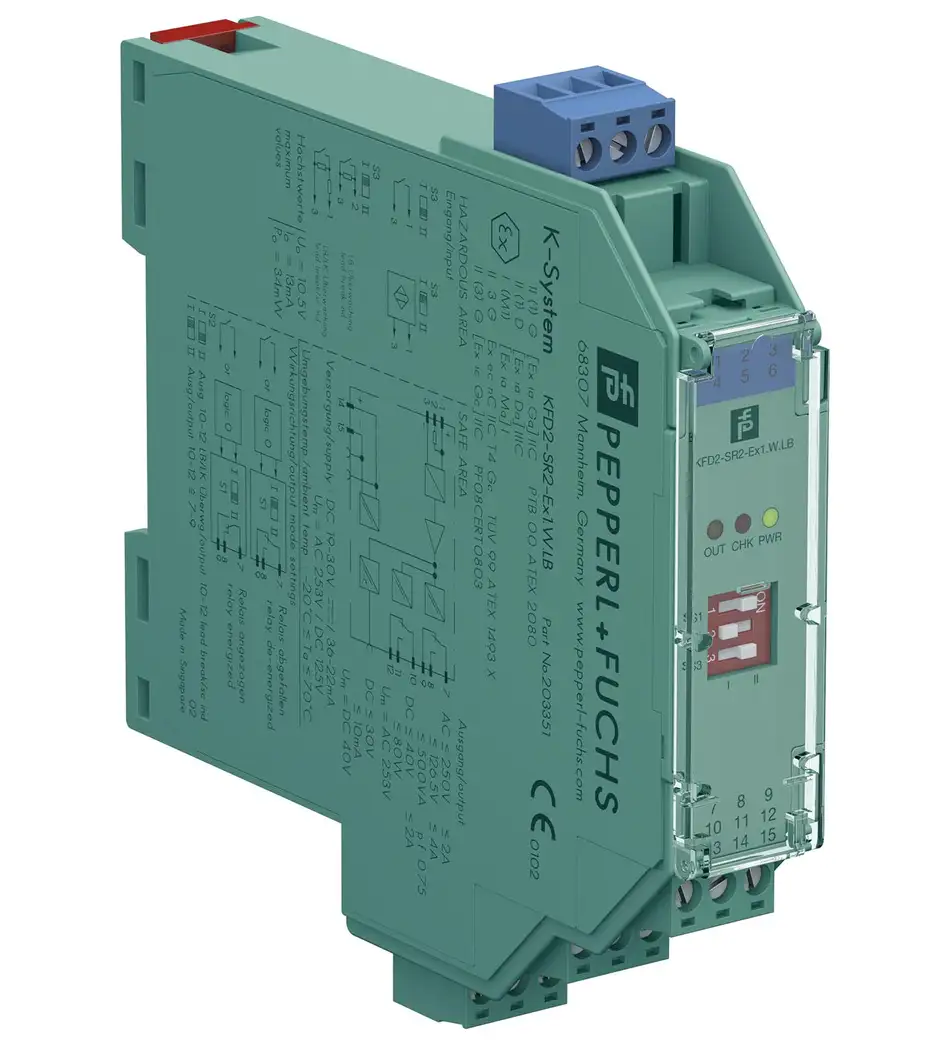
KFD2-SOT3-EX1.LB gives a Pepperl+Fuchs single-channel input interface a passive transistor output and a separate configurable output role. This article concentrates on distinguishing process status from line faults. It is useful when a maintenance team needs a spare for a monitored switch circuit and wants to preserve the original alarm behavior.
Separate a process change from a wiring fault
A field switch may change state during normal operation, while a broken cable represents a different event. The barrier accepts NAMUR sensors or dry contacts and provides line fault detection. Therefore, begin with the alarm philosophy. Record how the operator should see a field state and how the system should report a circuit fault.
KFD2-SOT3-EX1.LB output choices
The official data identifies output I as the signal output. Output II can carry a signal or fault message, according to configuration. Both use passive transistor circuitry. First, inspect the existing settings and drawing. Then state the required role of output II explicitly so a replacement does not change the meaning of a control input.
Check the receiving circuit
A passive output needs an appropriate external circuit. Consequently, review the receiving input voltage, current, and wiring reference rather than assuming an active voltage signal. The standard terminal arrangement also deserves attention. In addition, compare the exact suffix if a proposed replacement carries an .IO designation or another variation.
Useful records for fault investigation
- Identify the sensor reference and whether it is a contact or NAMUR device.
- Record the installed settings and the associated control input tag.
- Keep the approved line fault test method with the loop sheet.
These records let maintenance compare a new symptom with the intended response. They also reduce uncertainty when the original commissioning team is unavailable.
Prepare a clear spare specification
List the full model, article number, quantity, and expected output assignment. Also, state the documentation required for the site. The product has published capability up to SIL 2 with conditions in its safety documentation. Review those conditions if the channel supports a safety function, and keep the procurement request tied to the approved design.