Pepperl+Fuchs / Dual Solenoid Loop Planning
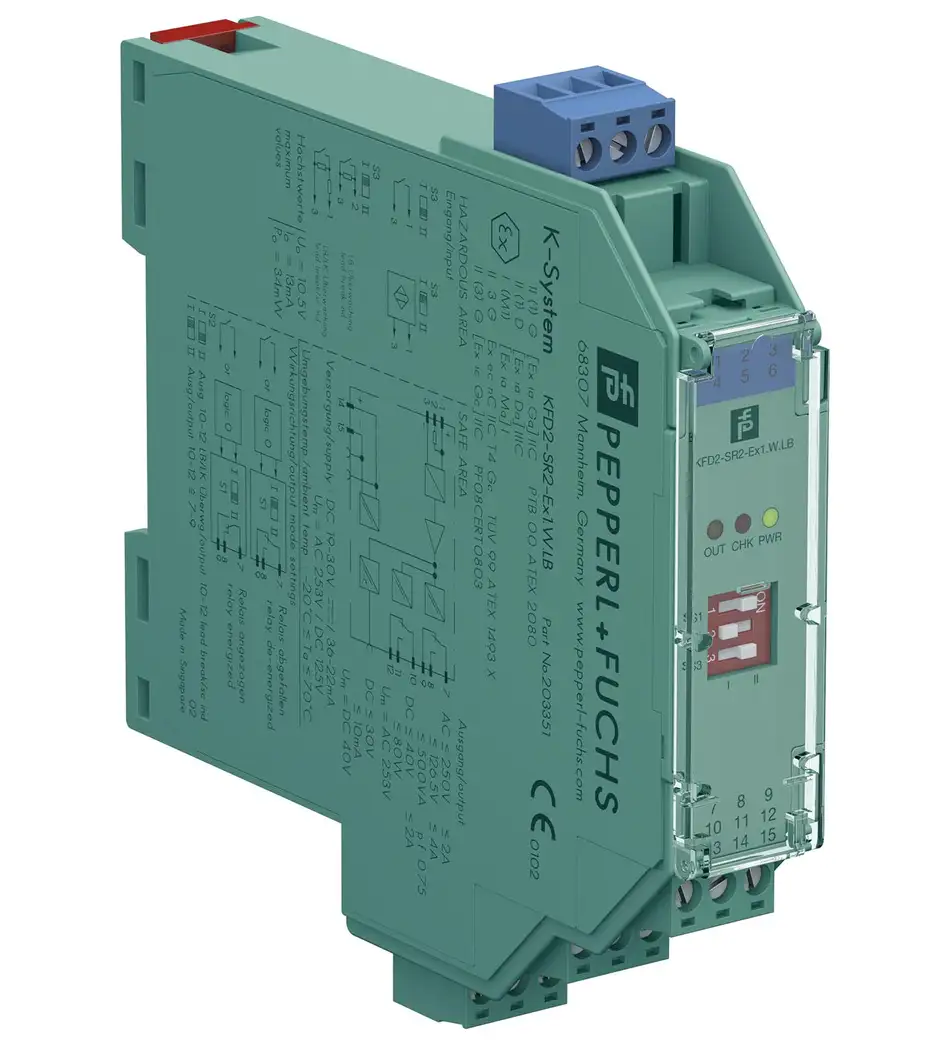
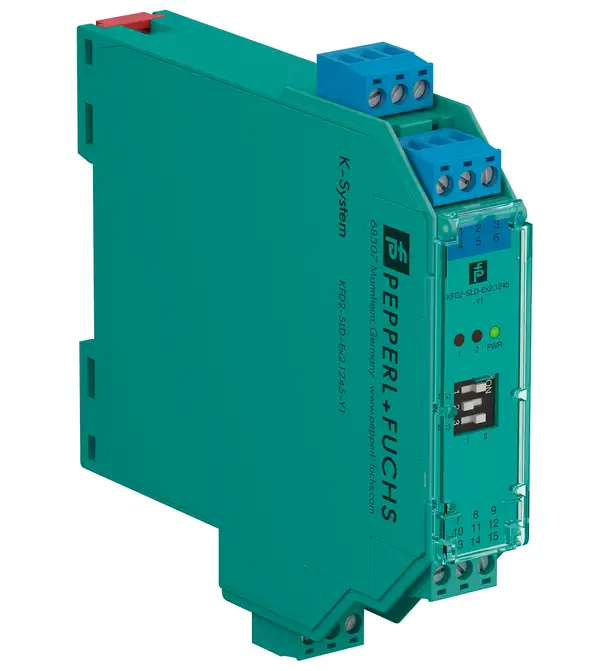
KFD2-SL2-EX2 is a Pepperl+Fuchs two-channel solenoid driver for intrinsically safe output circuits. A useful selection starts with the valve coil and its operating demand. This article follows the command signal through the barrier to the load, with a practical checklist for teams preparing a valve panel or replacement order.
Follow the command to the field load
The control system issues a logic command, while the driver provides the field-side interface. The manufacturer specifies non-polarized logic inputs and a nominal 24 V DC supply arrangement. First, identify both command channels on the drawing. Then pair each channel with its valve tag to avoid crossing adjacent outputs during maintenance.
KFD2-SL2-EX2 coil matching
The published output point is 45 mA at 11.7 V DC. Compare that operating point with the actual solenoid data and the loop calculation. Cable losses also belong in the review. In addition, check the applicable intrinsic safety parameters. A familiar valve body or matching connector does not establish electrical compatibility.
Build a two-channel schedule
- Channel one: record the valve tag, coil reference, and control output.
- Channel two: record the second load and its cable route.
- For both channels: note the terminal assignment and required fault behavior.
This short schedule gives the panel builder a useful cross-check. It also makes the spare request more precise than a list containing only barrier quantities.
Make diagnostics part of the design
Line fault detection appears in the official product features. Therefore, decide how the cabinet will present a wiring fault to operations. Document the intended alarm path and the procedure for checking it. During commissioning, the approved test plan should distinguish a valve command from a cable problem instead of treating every inactive load alike.
Prepare the maintenance package
For a planned shutdown, gather the current loop drawing, coil data, and spare quantity in one request. Also, retain the complete model on the purchase line. Ask the supplier to confirm the quoted designation and delivery terms. Engineers can then finish the circuit review while purchasing compares the commercial response.