Pepperl+Fuchs / PNP connector sensor selection
When a spare request contains only a family name, a similar P+F module can be quoted by mistake. NJ5-18GM50-E2-V1 has a defined interface for PNP connector sensor selection. Use this page to organize the checks before requesting availability and delivery.
Start with the field device
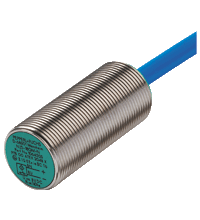
Identify the sensor, transmitter, coil, or receiving card connected to NJ5-18GM50-E2-V1. Then compare its electrical data with the product description: M18 flush stainless-steel sensor with 5 mm distance, normally-open PNP output, 10–60 V DC supply, pulsing short-circuit protection, and M12 connector. This prevents a generic replacement from entering a loop that needs a specific signal behavior.
Plan the cabinet connection
Mark power, input, output, and fault terminals on the current drawing. For sensor work, record sensing distance, output polarity, mounting, cable or connector, and environmental requirements. For interface modules, include the field-zone and control-zone relationship.
Short technical checklist
- Copy the full label without shortening the suffix
- Check supply and output requirements against the datasheet
- Confirm installation environment and approval needs
- Record the required fault or alarm response
Commercial handover
State whether the request supports a shutdown spare, a new panel, or routine stock. Include the number of installed points and the number of spare units. This gives purchasing a useful quantity basis and helps the supplier return a model-specific answer.
Final verification
Before closing the order, compare the quoted model, article number, documentation, and delivery promise with the request. Keep the official P+F reference linked to the equipment file so a later technician can repeat the selection.
Keep the record usable
A model page should help the next person make the same decision. Save the nameplate, the drawing revision, and the selected technical reference together. If the equipment duty changes later, reopen the comparison rather than assuming that the existing spare remains suitable.